


When you receive an appointment for a blood test, one of the first questions that may come to mind is whether you should eat beforehand. It’s a simple question, but the answer depends on the type of test being carried out. There is a great deal of confusion around fasting, food, and timing when it comes to blood tests, and at Nadcell Clinic, we often hear patients express concern about doing something wrong before their appointment. The good news is that understanding the guidelines is relatively straightforward, and in many cases, you may not need to fast at all.
At our clinic, we offer a wide range of blood tests in Glasgow, from routine health checks to more in-depth hormone and nutritional assessments. Because each test serves a different purpose, the preparation required can vary. Some blood tests require fasting to ensure accurate results, while others are best performed when the patient has eaten normally. Knowing the difference ahead of your appointment ensures the best possible outcome and avoids the need for a repeat visit. We make it a priority to explain preparation guidelines clearly, so you feel confident and informed before arriving at the clinic.
We Are A Pioneering Clinic, With Innovative Treatments and Specialised Therapies.
What you eat—or don’t eat—before a blood test can significantly impact the results. Certain nutrients, fats, sugars, and even the volume of food consumed can temporarily alter the levels of substances in your blood. This is particularly important for tests measuring glucose, cholesterol, or triglycerides, as food intake can cause spikes or dips that don’t reflect your normal baseline levels. For these types of tests, fasting is necessary to get a true picture of your health.
However, not all blood tests are affected by food. Many tests can be carried out accurately whether you’ve eaten or not. In fact, eating normally can even be recommended for some hormone or nutritional panels, as this reflects your body’s day-to-day functioning. That’s why it’s always essential to follow the specific instructions provided for your test, rather than assuming all blood tests require fasting. At Nadcell Clinic, we ensure you know exactly what’s expected before your appointment, so there’s no guesswork involved.

Fasting for a blood test typically means avoiding all food and drink (except water) for a certain period before your appointment—usually between 8 and 12 hours. Water is encouraged, as staying hydrated can make the blood draw easier and does not affect test results. Fasting does not usually include medications unless advised otherwise, but this is something you should always check with a clinician beforehand.
It’s important to fast properly if your test requires it. Eating even a small snack or drinking something other than water during the fasting window can compromise the accuracy of the results. If you’re unsure, it’s always best to ask rather than guess. At Nadcell Clinic, we provide clear guidance at the time of booking and send reminders ahead of your test, outlining whether fasting is needed and for how long.
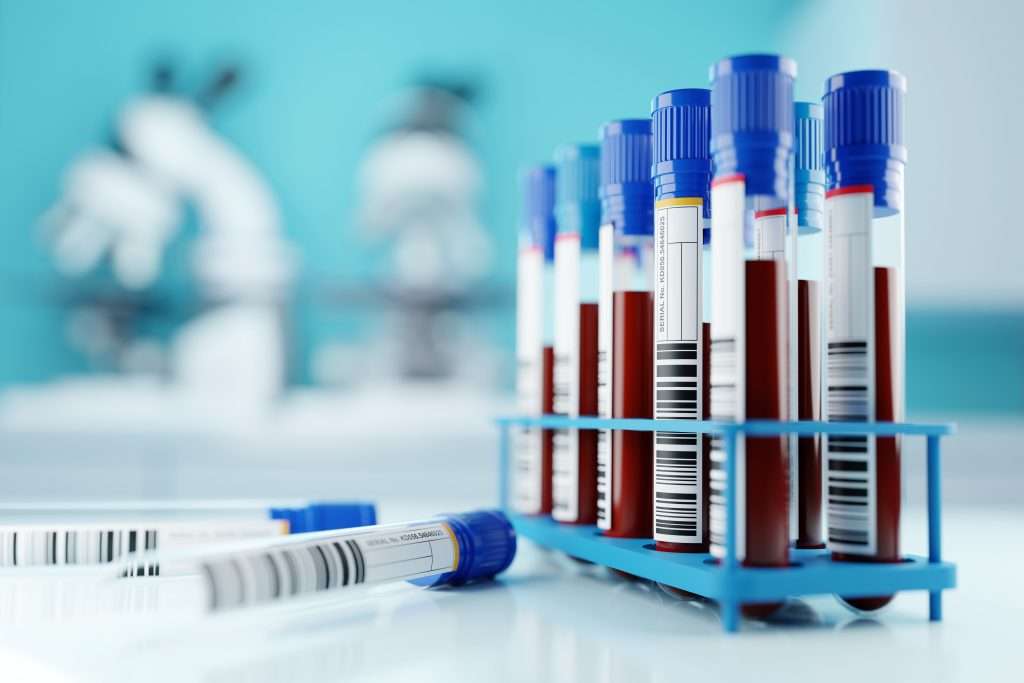
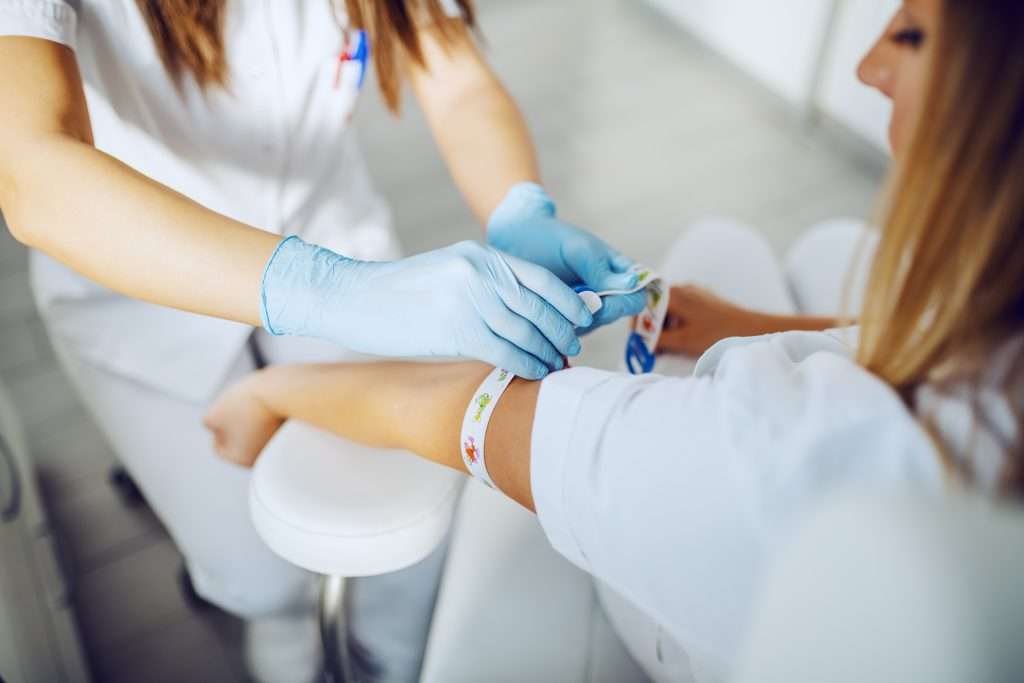
There are several types of blood tests where fasting is necessary to ensure valid and reliable results. One of the most common is the blood glucose test, used to assess how your body is managing sugar levels and to help diagnose diabetes or insulin resistance. Another is the lipid panel, which measures cholesterol and triglyceride levels. Eating before this type of test can lead to artificially high results, which may lead to incorrect diagnoses or unnecessary treatment.
Fasting may also be required for certain vitamin and nutrient tests, especially if the nutrients being measured are fat-soluble, such as vitamin A or E. Hormone panels may sometimes require fasting, depending on what is being tested and the time of day the sample is taken. At Nadcell Clinic, we tailor the approach to your individual needs and test profile, so you’re never left wondering whether or not you should eat.
Many blood tests can be performed without fasting. Full blood counts, thyroid function tests, most hormone level checks (including testosterone, oestrogen, and cortisol), and many nutritional panels are not affected by food intake. In these cases, eating beforehand can actually be beneficial, especially if the test is lengthy or combined with other procedures. Feeling faint or lightheaded during a blood draw is more common when fasting, particularly for those with lower blood pressure or anxiety around needles.
For these tests, we recommend eating a light, balanced meal beforehand to maintain energy and comfort. Our team will always advise whether fasting is necessary based on the test you’ve booked. If you’re unsure, don’t hesitate to reach out to us before your appointment. Clear communication helps us deliver the most accurate results and ensures your visit is as smooth and stress-free as possible.
Mistakes happen, and you’re not alone if you’ve ever accidentally eaten before a fasting test. If this occurs, it’s important to let us know before the test is carried out. Depending on what you’ve eaten and the type of test being done, we may advise rescheduling the appointment to avoid skewed results. Testing under the wrong conditions can lead to misinterpretation of your health status, which is why following instructions is so important.
We never judge patients who forget to fast—we understand that health appointments can feel overwhelming, especially if you’re managing other responsibilities or feeling unwell. At Nadcell Clinic, we’re here to support, not criticise. If needed, we’ll help you rebook quickly and easily, and ensure you have everything you need to prepare correctly the next time.
Because fasting typically involves going without food for 8 to 12 hours, scheduling your blood test in the morning is often the easiest approach. This allows you to fast overnight while you sleep and attend your appointment shortly after waking, minimising discomfort and inconvenience. After the test, you can return to your normal routine and enjoy a proper breakfast, knowing you’ve done everything correctly.
At Nadcell Clinic, we offer morning slots for fasting blood tests to make this process as convenient as possible. We also ensure that patients are seen promptly, so there’s minimal waiting time. If you’re unsure when to schedule your appointment or how to prepare, our team is happy to help you plan a time that suits your lifestyle while meeting the clinical requirements of the test.
This is one of the most common questions we receive from patients. When fasting is required, only plain water should be consumed. Drinks like tea, coffee, fruit juice, or anything with calories—even milk or sugar in a hot drink—can interfere with test results. Caffeine can also affect certain hormone levels and increase dehydration, making blood collection more difficult.
If your test does not require fasting, moderate consumption of coffee or tea is generally acceptable. However, we still recommend avoiding excessive caffeine, as it may contribute to nervousness or feeling unwell during the blood draw. Our best advice is always to check the fasting instructions provided with your appointment confirmation, and if you’re in any doubt, ask our team. It’s always better to be safe than risk compromising the results.

When it comes to blood tests, preparation can make all the difference. Whether you need to fast or not depends entirely on the type of test, and guessing can lead to inaccurate outcomes. At Nadcell Clinic, we take the guesswork out of the process. We’re always here to answer your questions, offer guidance, and ensure your experience is smooth from start to finish.
If you’re booking blood tests in Glasgow and want to feel confident that you’re doing everything right, our team is ready to help. We’ll ensure you have all the information you need, provide fast and accurate results, and support you every step of the way. Your health matters—and it starts with clear answers and expert care.
