


As medical weight loss options continue to evolve, GLP-1 receptor agonists have become a significant breakthrough for people struggling with obesity and type 2 diabetes. Medications like Wegovy (semaglutide), originally designed to help manage blood sugar levels in diabetics, have shown impressive results in supporting long-term weight loss. But with growing popularity comes an important question: how safe are GLP-1 injections for long-term use?
At Nadcell Clinic in Glasgow, we regularly support patients considering or currently using GLP-1 injections for weight management. In this blog, we explore the safety profile of these treatments, focusing on the science, patient experience, and long-term data—alongside clinical guidance based on our UK medical standards.
If you’re considering a GLP-1 injection like Wegovy or already on treatment and want to understand the long-term implications, this guide will provide clarity and reassurance based on real-world evidence and expert insight.
We Are A Pioneering Clinic, With Innovative Treatments and Specialised Therapies.
GLP-1 stands for glucagon-like peptide-1, a naturally occurring hormone in the gut that plays a vital role in regulating blood sugar and appetite. GLP-1 receptor agonists are medications that mimic this hormone. They help increase insulin secretion, reduce the amount of glucose released by the liver, and slow down gastric emptying. This helps to reduce appetite and food intake, supporting steady and sustainable weight loss.
Wegovy, which contains the active ingredient semaglutide, is one of the most well-known GLP-1 drugs currently available in the UK. It’s a weekly injection that is used specifically for weight loss in people who are obese or overweight and have weight-related health issues. Other GLP-1 drugs include Ozempic (also semaglutide but licensed for type 2 diabetes) and Mounjaro (tirzepatide), which targets two hormone receptors.
These medications are highly effective, but they are still relatively new in the context of weight management—so naturally, people want to understand their long-term safety and what the research says about ongoing use.
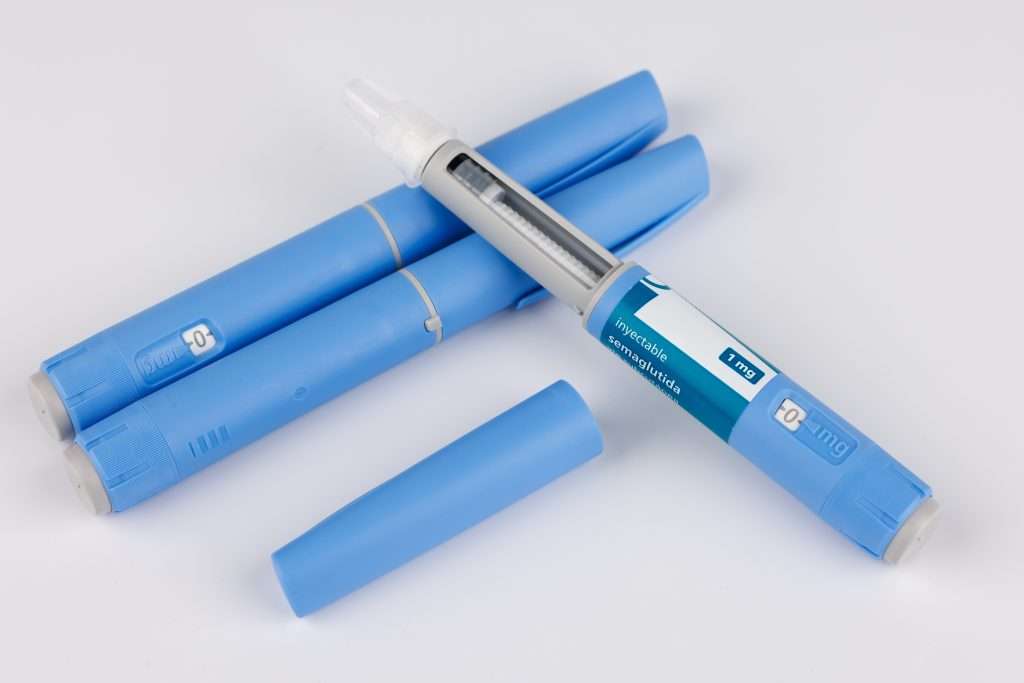
The safety of GLP-1 injections like Wegovy has been studied extensively in both clinical trials and ongoing observational studies. The STEP trials, which were instrumental in getting Wegovy approved for weight loss use, followed participants for up to 68 weeks and showed not only sustained weight loss but also stable safety profiles.
In the UK, NICE (National Institute for Health and Care Excellence) reviewed Wegovy and concluded that it is safe and effective for long-term use when prescribed and monitored by a qualified medical professional. These conclusions are based on clinical data showing that the most common side effects, such as nausea, indigestion, and mild gastrointestinal symptoms, tend to occur during the first few weeks and generally subside as the body adjusts.
Long-term studies have also shown that semaglutide does not significantly increase the risk of major adverse events, such as heart problems or kidney damage. In fact, many patients see improvements in their cardiovascular health, blood pressure, cholesterol levels, and blood sugar control—benefits that go far beyond just weight loss.
Like all medications, GLP-1 injections come with potential side effects. For most people, these are mild and manageable, especially when the dose is increased gradually. The most common complaints include nausea, constipation, diarrhoea, or bloating. These side effects usually occur in the early weeks of treatment and tend to ease over time.
At Nadcell Clinic, we guide our patients through the dose-escalation phase carefully, helping them adjust to each new level before moving to the next. This approach reduces the likelihood of side effects and makes the treatment far more tolerable.
In rare cases, more serious side effects can occur. These include inflammation of the pancreas (pancreatitis), gallbladder issues, or kidney function changes. However, such risks are low and are usually associated with other pre-existing medical conditions. That’s why medical screening is essential before starting treatment, especially for those with a history of digestive or kidney problems.
It’s also worth noting that semaglutide (Wegovy) is not suitable for pregnant women or individuals with a personal or family history of certain thyroid cancers. This is something we always assess before starting treatment to ensure safety.


One of the key elements of safety with long-term GLP-1 use is ongoing medical monitoring. These aren’t medications you pick up once and forget about—they require professional oversight to ensure they’re working effectively and not causing unwanted effects.
At Nadcell Clinic, our team schedules regular follow-ups with patients receiving Wegovy or similar treatments. These reviews allow us to assess weight loss progress, side effect management, and adjust doses where necessary. We also monitor important health markers such as blood pressure, glucose levels, kidney function, and thyroid health to ensure the treatment remains safe over the long term.
This kind of close monitoring is especially important as patients reach their goal weight or move into the maintenance phase. Some people choose to taper off their injections under supervision, while others remain on a maintenance dose. Whichever approach is used, the priority is keeping health stable and ensuring the benefits outweigh any risks.
The answer to how long someone can stay on Wegovy depends on their individual health status, weight loss goals, and how well they tolerate the medication. There is no strict time limit. As long as the treatment is effective and side effects are minimal or manageable, patients can remain on Wegovy for several years.
However, weight loss medication is rarely a “forever” solution. Most medical professionals, including our team in Glasgow, aim to help patients use it as a tool to reach a healthier weight, improve metabolic health, and then maintain that progress through long-term lifestyle changes. Some patients continue on a low-dose maintenance injection for stability, while others gradually come off the medication with the support of a structured aftercare plan.
Clinical studies suggest that stopping GLP-1 therapy abruptly can lead to some weight regain if lifestyle habits aren’t firmly in place. That’s why our goal is not only to help you lose weight but also to build the tools and routines you’ll need to sustain that weight loss—whether you remain on medication or not.
Safety isn’t just about physical health. At Nadcell Clinic, we also consider the emotional and psychological side of using GLP-1 injections over the long term. Many patients come to us after years of dieting, weight fluctuations, and frustration. For them, Wegovy offers hope and a sense of control—but it’s important to manage expectations.
While the weight loss results can be transformative, it’s crucial that patients understand GLP-1 medication is not a cure for emotional eating or a replacement for healthy habits. We offer psychological support, nutritional advice, and behavioural coaching to help you address the deeper aspects of your relationship with food and body image.
Long-term success with Wegovy isn’t just measured on the scales—it’s about confidence, energy, sleep quality, and quality of life. That’s why emotional wellbeing is part of our care model at Nadcell Clinic, especially for those continuing treatment beyond the first year.
There are certain health profiles where long-term use of GLP-1 receptor agonists may not be appropriate. Individuals with a history of pancreatitis, gallstones, or certain types of thyroid cancer should avoid these medications altogether. It’s also not recommended during pregnancy or for those actively trying to conceive.
In some cases, patients may initially tolerate GLP-1 injections well but develop issues over time, such as persistent nausea or gallbladder problems. If these occur, the treatment plan will need to be reassessed. That’s why a trusted relationship with your provider is so essential—regular reviews help catch any emerging risks early and keep your treatment safe.
We also evaluate whether a patient’s goals and health outcomes are still being met by the medication. If the injections are no longer producing results or the risks begin to outweigh the benefits, we may explore alternative strategies. These could include lifestyle interventions, maintenance medications, or referral to a dietitian or specialist.
The future looks bright for GLP-1 receptor agonists like Wegovy. Ongoing studies are exploring their impact not only on weight and diabetes, but also on conditions like cardiovascular disease, fatty liver disease, and even cognitive health. Early research suggests that these medications could have broader protective effects across multiple body systems, but we need more time and data to confirm long-term outcomes.
In the UK, access to these treatments is also evolving. NICE guidelines are expanding eligibility for GLP-1 therapies based on clinical need, and more GPs and weight loss specialists are incorporating them into routine care. That said, private clinics like Nadcell remain an important option for those who want more flexible access, faster appointment times, and tailored support.
As more data emerges and new GLP-1 based treatments enter the market, we expect to see even better safety profiles and more personalised dosing strategies. This is encouraging news for patients who want to use these injections not just for a few months, but as part of a longer-term health journey.
Yes, GLP-1 injections such as Wegovy are generally safe for long-term use—when prescribed responsibly and monitored properly. Clinical studies, real-world experience, and patient feedback all point to a treatment that is not only effective but sustainable for many people. Like any medication, GLP-1 injections require regular oversight, proper dosing, and a full understanding of how they fit into your wider health plan.
At Nadcell Clinic in Glasgow, we’ve helped many people use Wegovy safely over time, combining it with coaching, medical support, and long-term lifestyle changes. Whether you live in City Centre, Hillhead, Pollokshields, or surrounding areas like Bearsden or Clarkston, we’re here to provide safe, expert care tailored to your goals.
If you’re considering Wegovy or want to understand your options for long-term medical weight loss support, book a consultation today. With the right guidance, GLP-1 injections can be a powerful and safe tool for lasting health transformation.
